
The Secret to Keeping Habits Alive
Why most goals fade by late February - and how to keep yours moving all year

It was a Sunday night in late February a few years ago, and I didn’t want to open the spreadsheet.
The house was quiet. The boys were asleep. My laptop was sitting on the kitchen table, waiting for me to do something I now do every Sunday: review the week.
I already knew what I was going to see.
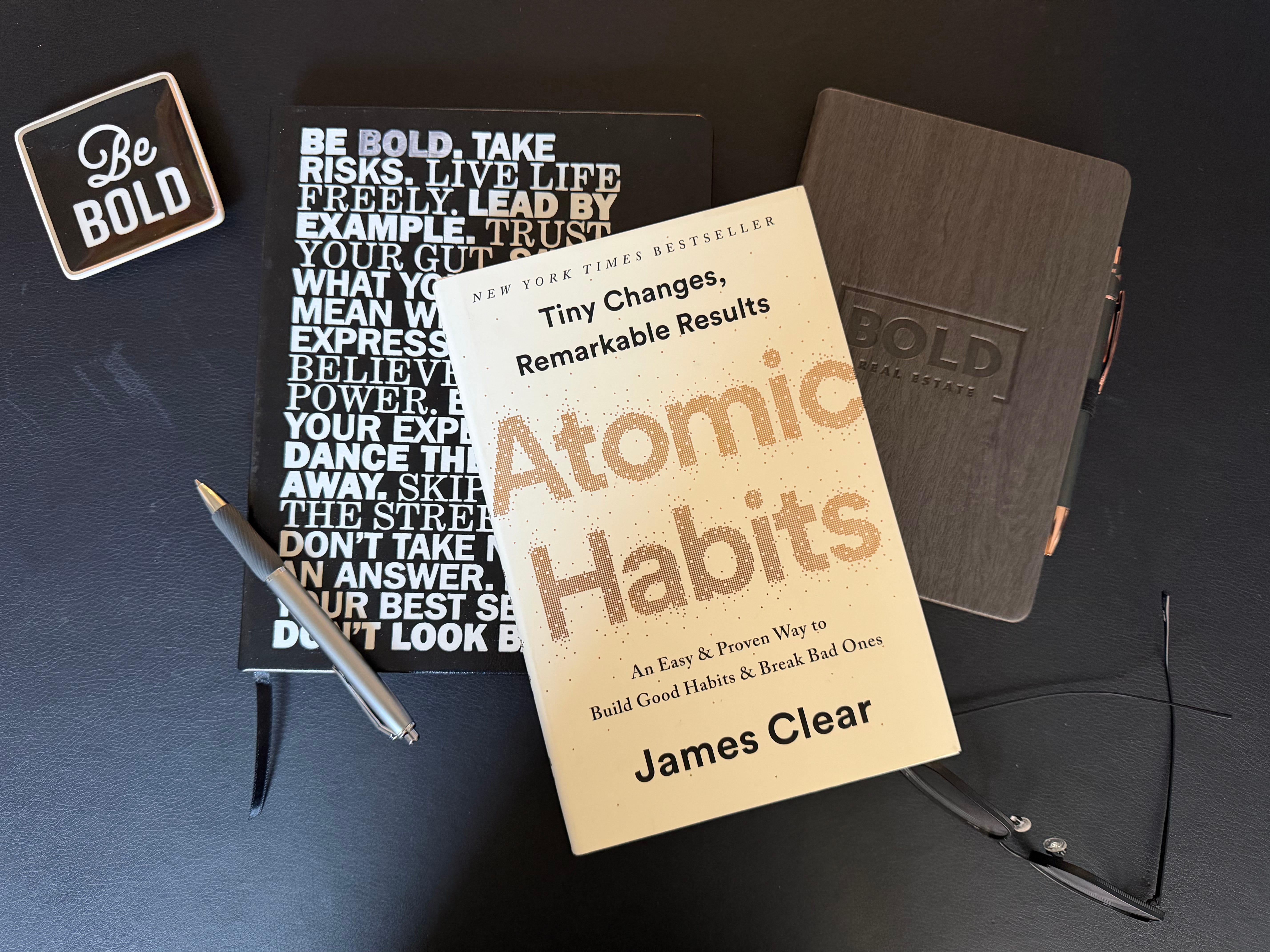
Three workouts instead of five. No progress on the book I said I’d finish. An inbox creeping back above a number I promised myself it wouldn’t cross.
Six weeks earlier, I was dialed in. January was electric. Early mornings. Clean spreadsheets. Clear targets. Protein shakes. Books downloaded. The disciplined version of me who was serious this year.
By late February, life had filled the calendar again. Work accelerated. Travel started. A few small misses stacked up. Nothing dramatic happened. I didn’t quit. I just drifted. That’s how most goals die. Not with a crash, but with a slow fade.
And by this time of year, most people feel it.
The Problem Isn’t Discipline
For years, I thought habit failure was about willpower.
It’s not. It’s about attention.
Motivation fades. Calendars fill. Urgency weakens. Without a system to notice drift, drift becomes normal.
The turning point for me came when I stopped relying on how I felt and started measuring what mattered.
Motivation starts habits. Measurement sustains them.
The 15-Minute System That Changed Everything
Every Sunday evening, I spend about fifteen minutes reviewing my week.
No drama. No guilt. Just awareness.
At the beginning of the year, I set goals in the areas that matter most to me: financial growth, health, relationships, and personal development. Then I reduce each goal to weekly behaviors.
Not outcomes. Behaviors.
Right now, I track things like days worked out, books read, how I ate, vacation days, days fully unplugged, inbox count, and whether I bought flowers for my wife. That last one makes people smile. But it matters. I don’t want to wake up one day financially successful and relationally average.
Tracking keeps me awake.
Some weeks look strong. Others don’t. That’s not the point. What gets measured gets noticed. What gets noticed gets adjusted. Without measurement, drift is invisible. And invisible drift compounds.
The Vacation Wake-Up Call
A few years ago, I realized something uncomfortable. I said I valued family time, but if we didn’t schedule trips intentionally, they slipped into “some day.”
So I started tracking vacation days. Then I added another metric: fully unplugged days.
I used to check my email constantly on vacation. I told myself I was being responsible. In reality, I was splitting my presence. One quick email can hijack a trip. I’ve done it. One message turns into a response, which turns into a mental spiral that pulls you out of the moment.
Now I track unplugged days because I know I’ll review them. And when you know you’ll review something, you behave differently.
That’s the power of attention.
Habits Compound Like Money
You wouldn’t set a net worth goal and refuse to look at your accounts until December. You review. You rebalance. You adjust. Wealth compounds because of consistent deposits and early corrections.
I’ve been investing for more than 30 years. Over that time, the S&P 500 has averaged just over 10 percent annually. Someone investing $7.50 a day for 30 years at that rate would end up with more than one million dollars.
Seven dollars and fifty cents a day. That’s the power of small, repeated actions.
Your body works the same way. Your marriage works the same way. Your business works the same way.
If you haven’t looked at your goals since January, this is your moment. Late February is early enough to correct course and early enough to build real momentum. A missed workout doesn’t have to become a missed quarter. A distracted week doesn’t have to become emotional distance. A slow month doesn’t have to define your year.
Small adjustments preserve momentum. Momentum compounds into progress. And progress equals happiness.
The Real Secret
The secret to keeping habits alive isn’t intensity; it’s attention.
The people who build strong bodies, strong balance sheets, strong marriages, and strong businesses aren’t superhuman. They review consistently, notice drift early, adjust quickly, and keep moving.
Over time, that creates a life that feels intentional instead of accidental. And if your habits are slipping right now, that doesn’t mean you failed. It means it’s time to pay attention again.
Your Move
By this time of year, most people are either building momentum or quietly losing it. Which one are you?
Choose one habit that matters. Not ten. One. Track it weekly. Review it honestly. Make one small adjustment this week. Not because you need a dramatic reset. Because small course corrections prevent major regret.
If you are willing to share your habit, I’d love to hear it.
Intensity feels powerful. Attention is powerful.
One burns hot. The other compounds.
Choose the one that builds the life you actually want.
Why This Matters at BOLD Wealth
At BOLD Wealth, we believe money is not the goal; it’s a tool.
We build financial wealth to create freedom: freedom to be present, freedom to choose how we spend our time, freedom to live aligned with our values.
But freedom is built the same way everything else is built: through small, consistent decisions that compound over time.
Minor in money. Major in life.
New to BOLD Wealth?
Here’s a simple Blueprint to BOLD Wealth that explains the philosophy, the core frameworks, and how money fits into a life that actually feels rich.
A Favor
If this post resonated, would you consider clicking the 💚 or leaving a comment? It helps these ideas reach more people, and I’m grateful you’re here.
I’ve always thought of tracking as something you review after the fact, like checking the score once the game is over. But this reframed it for me completely. Tracking isn’t about measuring what already happened; it’s primarily about directing attention. The way you described tracking as something that keeps you awake made me see it as shepherding focus. What we consistently focus on shapes who we become - we become what we behold. This sparked meaningful conversation in our house today. Your thought leadership is doing what it should do - creating ripple effects beyond the page… or screen. : ) Thank you for that.
A couple curious follow-up questions: How do you decide which habits to track? How often do you make changes or adjustments to your habits?
This speaks to me! “Measuring what mattered”